Application Meetings
Application Meetings improve leaders’ accountability leadership skills by giving them opportunities to apply the Accountability models and tools, while continuing to build on earlier workshop concepts.
Types of Application Meetings
The first Application Meeting takes place about 90 days after the organization’s Accountability Workshop, and continue approximately every 4-6 months. Agendas are set in collaboration with the organization’s leaders and will typically involve discussions of progress made toward Key Results and what progress is still needed.
Closing Accountability Gaps
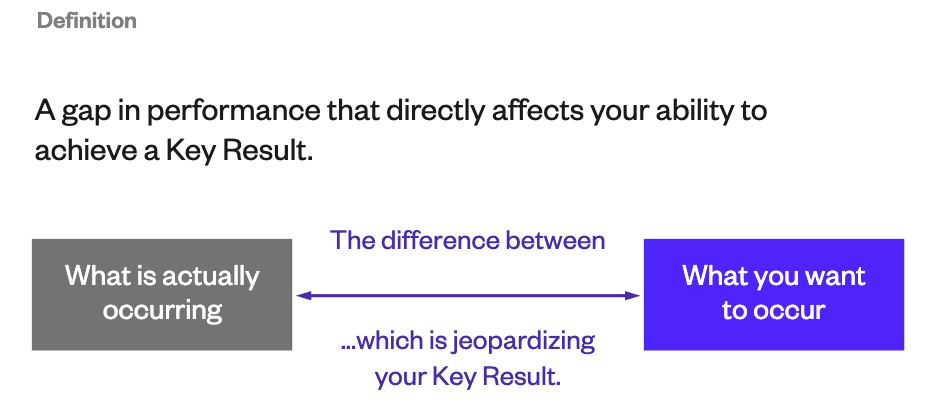
Leaders will review Accountability Gaps and the Steps to Accountability model, and then identify an Accountability Gap that could jeopardize a Key Result and plan how they will use the Steps to close it.
Steps to Accountability
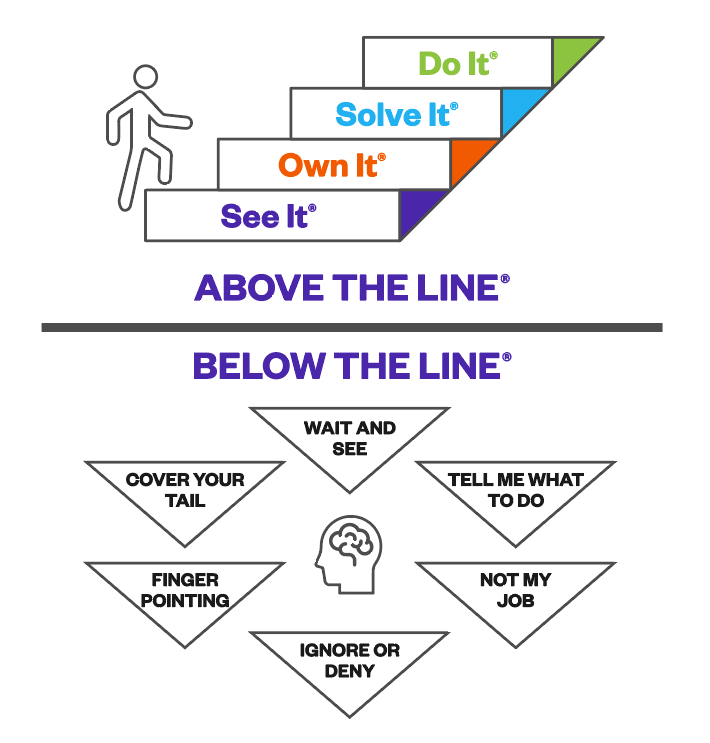
Leaders will learn how to identify language that is either Above the Line (ATL) or Below the Line (BTL), practice coaching each other to be ATL, and then learn the 16 Accountability Best Practices and the Focused Feedback Model.
Feedback
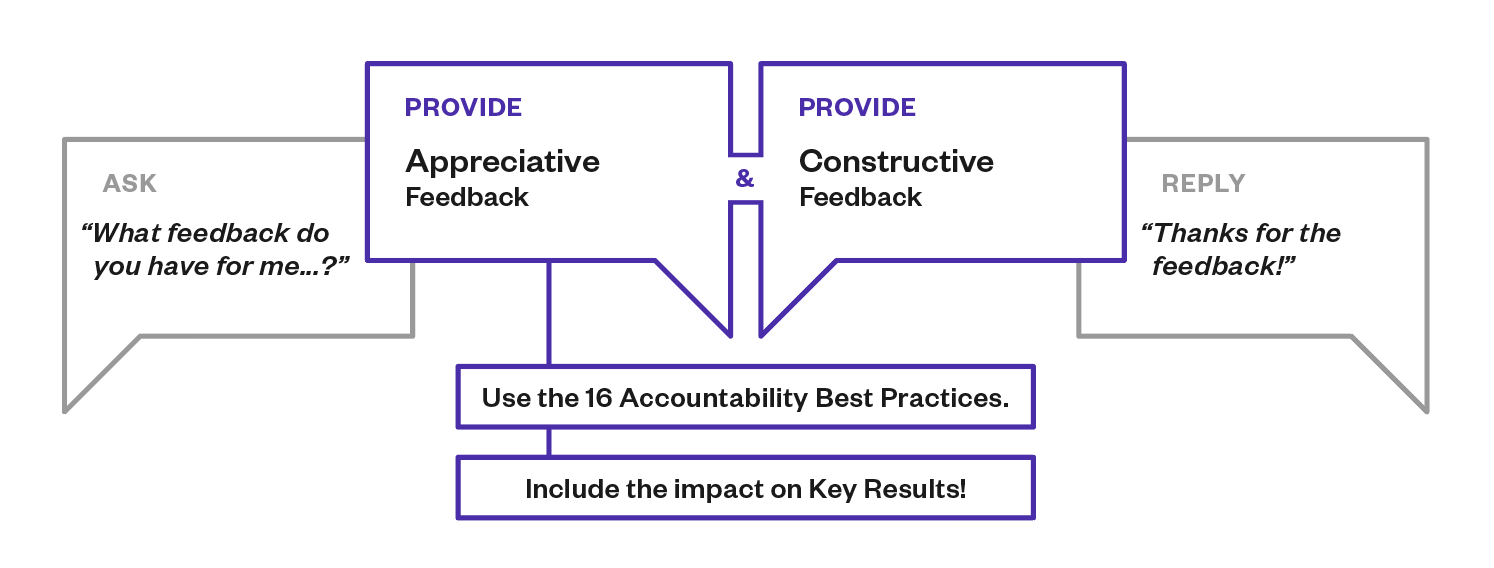
Leaders will participate in exercises to emphasize the importance of feedback, then they will learn the Focused Feedback model and some pro tips for delivering focused feedback.
Accountability for Leaders
Leaders will learn how to set expectations and how to manage unmet expectations through the Accountability Sequence model, how to coach others back Above the Line through the LIFT model, and how to use Experience Dialogue to converse with other leaders.
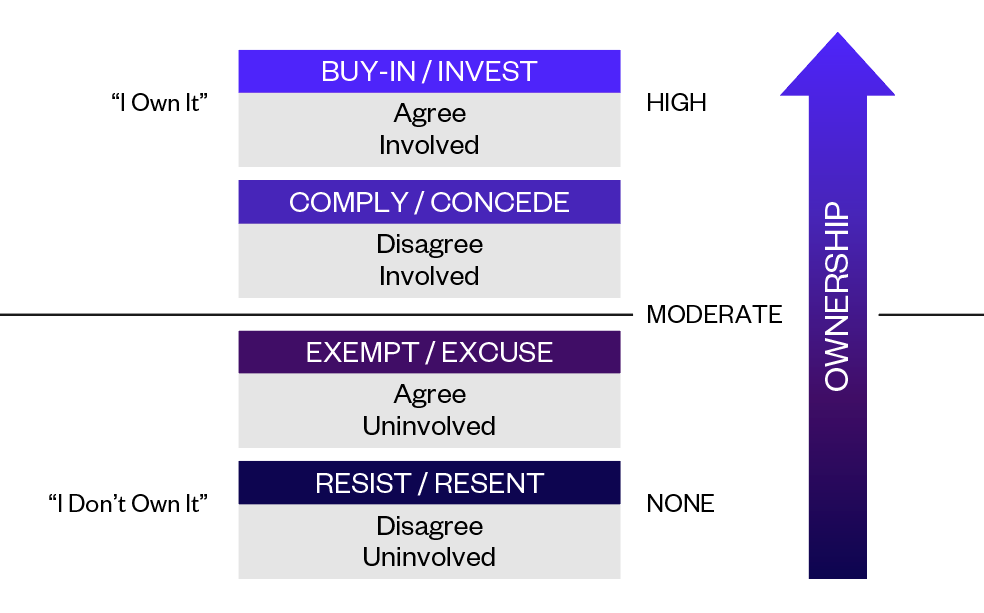
Levels of Ownership
Leaders will commit to a weekly integration plan, learn the difference between reasons and excuses, and then use the Levels of Ownership model to rate their team’s ownership of the organization’s Key Results.
Closing Accountability Gaps Application Meeting
This application meeting focuses on utilizing the Steps to Accountability model to close gaps in performance that directly impact Key Results. Using the SOSD model, attendees identify behaviors that contributed to these gaps, and build a specific plan to adjust efforts and solutions to close them.
By continuing to practice this approach, attendees will learn to more quickly diagnose problems in achieving their Key Results, and build a stronger culture of accountability.
Accountability Gap®
Key Resources
Steps to Accountability Application Meeting
This application meeting dives deeper into the concepts of Above the Line and Below the Line behavior and outlines the 16 Accountability Best Practices to bolster accountability within the organization. These Best Practices provide all employees with tasks and actions they can immediately implement in their day-to-day to take greater accountability for results.
This meeting also covers the Focused Feedback Model, first seen in the Culture Alignment Workshop, which can be used to reinforce the 16 Accountability Best Practices and Key Results among team members. Attendees come away with an action plan to continue using the 16 Accountability Best Practices, scheduling feedback sessions, and closing Accountability Gaps.
Step to Accountability®
Key Resources
Feedback Application Meeting
This meeting is centered around how to deliver feedback using the Focused Feedback Model. Receiving feedback is the best way to learn from mistakes and focus on what is being done right, especially when it comes to achieving Key Results. Understanding how to give quality feedback, therefore, is essential to support the organization’s progress toward its Key Results and R2/Vision.
The tips included in this meeting, around both giving and receiving feedback, will help to make Focused Feedback an easier and more effective part of how your people hold each other accountable for achieving their goals and Key Results.
Focused Feedback®
Key Resources
Accountability for Leaders Application Meeting
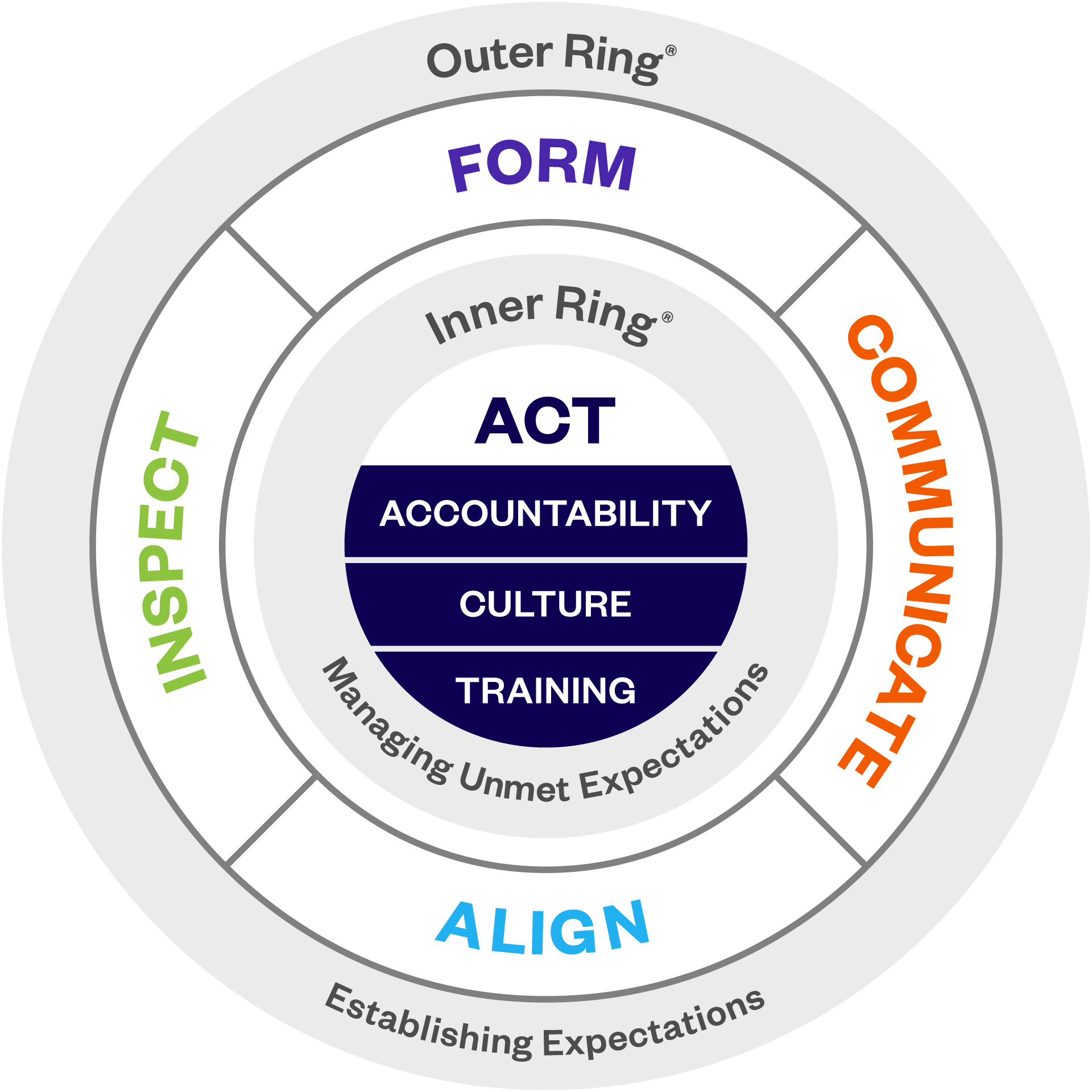
This meeting walks attendees through how to establish expectations with direct reports and how to manage unmet expectations with the Accountability Sequence model. This model provides easy to implement tasks to set expectations, communicate them effectively, clearly align on them with a direct report, and then check if they have been met.
In the case of direct reports that do not meet their expectations, the model also has a guide for managers of these individuals to help them develop a plan to overcome their obstacles. This skill is critical to maintain accountability toward expectations and ensure your people do not get blocked on their way to achieving organizational Key Results.
Accountability Sequence®
Key Resources
Levels of Ownership Application Meeting
This meeting centers on explaining the Levels of Ownership that individuals can take relating to organizational initiatives based on their agreement and involvement, and the importance of taking ownership over Key Results. Attendees will apply this model to their own ownership over each of the organization’s Key Results, and then identify where their ownership level needs to be addressed.
Taking ownership over Key Results creates a stronger sense of connection and accountability to the organization’s goals and motivates teams to strive more to achieve the Key Results. As attendees continue to implement their Weekly Integration Plan, they can also keep an eye on the Level of Ownership that their team is showing and take action to increase their ownership over certain objectives.
Levels of Ownership